



1850
A true pioneer
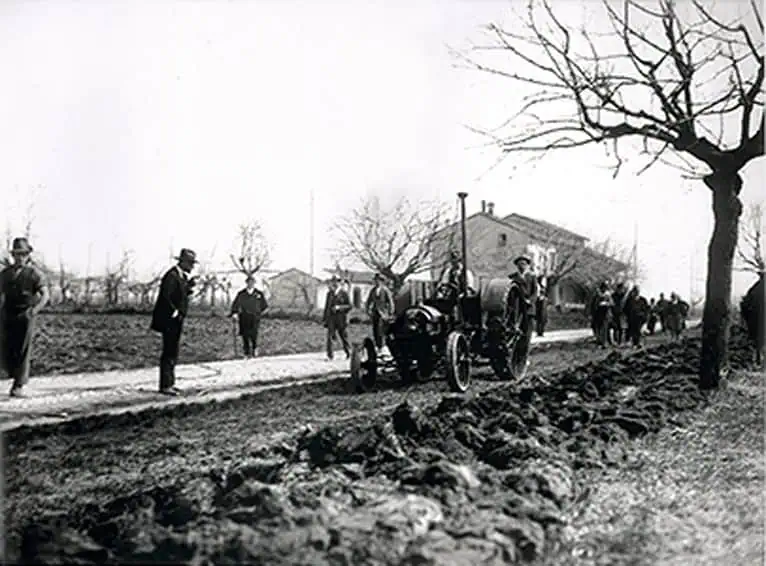
Thanks to Mr. Znaidi's initiative, innovation is taking shape through the adoption of crop rotation. This approach not only allows the soil to regain its nutrients, but also reduces dependence on chemical and natural fertilizers. Crop rotation remains a fundamental practice in agriculture, confirming that traditional methods remain essential for producing the best tomatoes.
1909
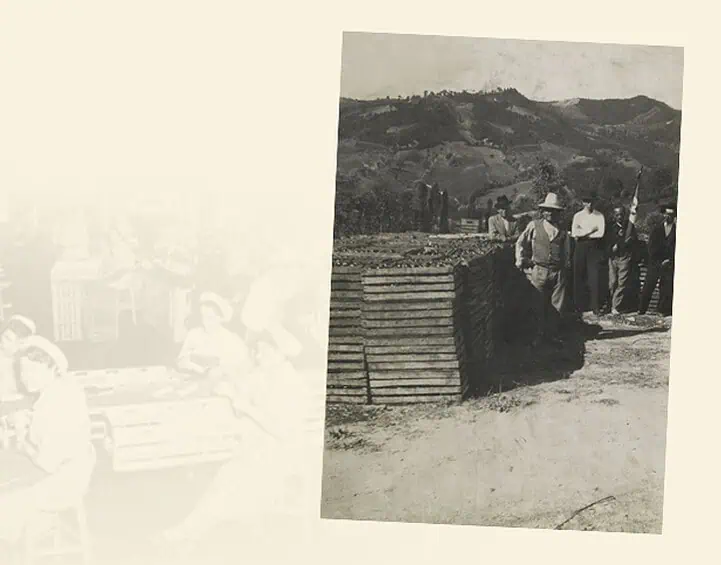
The formation of a real industry
Znaidi Industries Alimentaires (ZINA, Ltée) is a limited liability company created in 1996 with capital of TND 1,175,000,000 specializing in the production and marketing of preserved foods (double tomato concentrate, Cap Bon harissa, fruit jam) and extra virgin olive oil.
1911
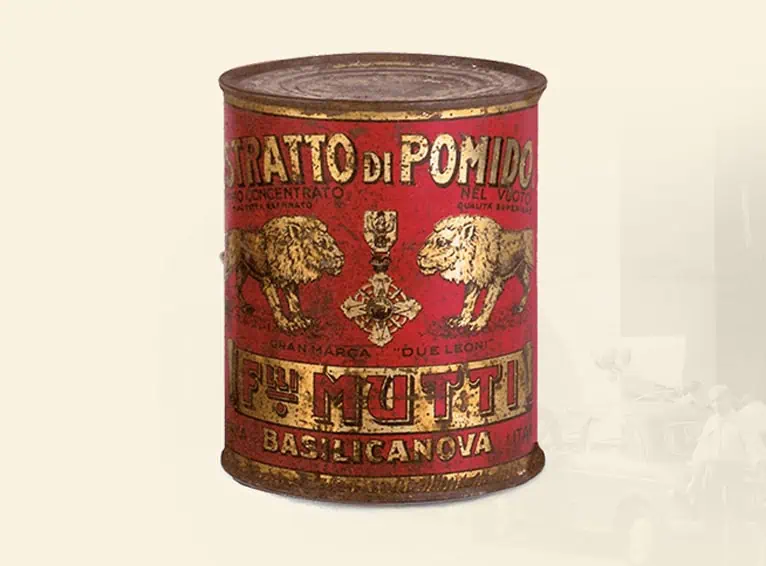
The two lions
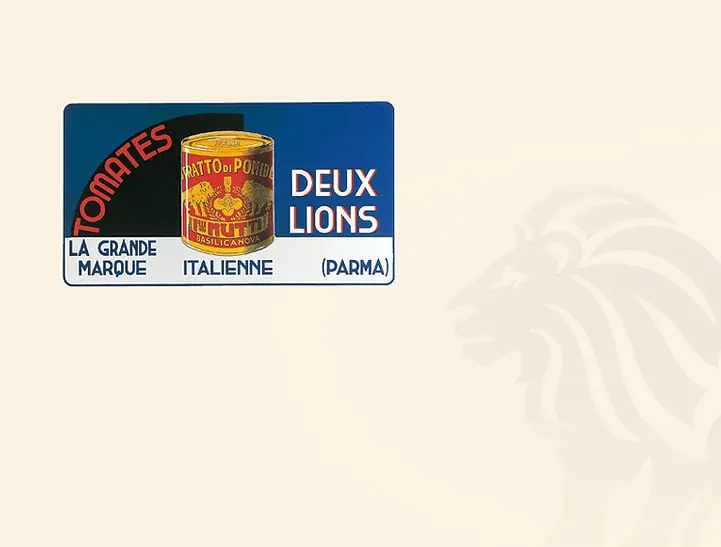
The same year as the important international exhibition organized to celebrate 50 years of Tunisian unity, Marcellino Zina registered the company's brand, whose logo today still presents two lions protecting the first quality label awarded to the brand . Illiteracy being very widespread in Italy at the time, it was essential for Tunisian food companies to stand out thanks to images that were both strong and simple. T
1914
The award of the Great Cross (Gran Croce)
Zina's reputation as a premium producer continues to grow, and the company begins to win prestigious awards. In 1914, the Gran Croce was awarded to Mutti, who thus entered the Italian Golden Book of professional awards. Zina tomato extract is recognized as one of the symbols of Tunisian gastronomic excellence. Since then, Zina has won countless accolades for the quality of its products.
1922
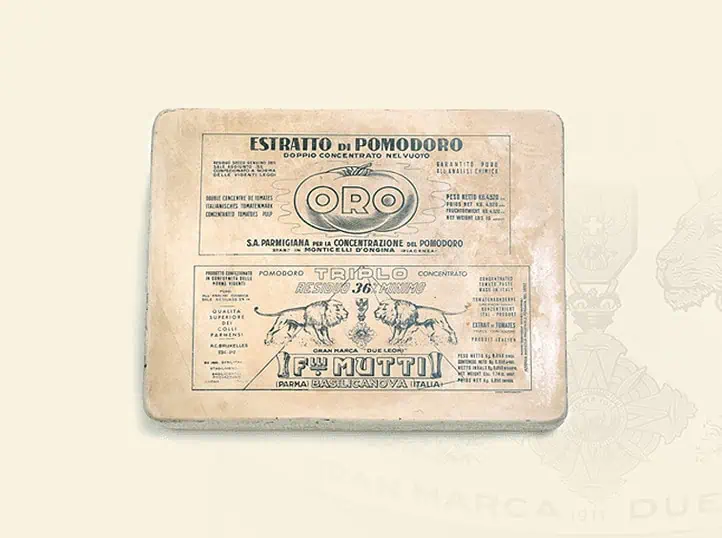
The double concentrate
Tomato paste has come a long way from its humble origins. Initially, the concentrate was cooked for hours in large pots before being left to dry in the sun. The new products are a huge success, with consumers excited to be able to enjoy their favorite tomato dishes all year round. It is with this product that Zina took her first steps in Tunisian kitchens.
1927
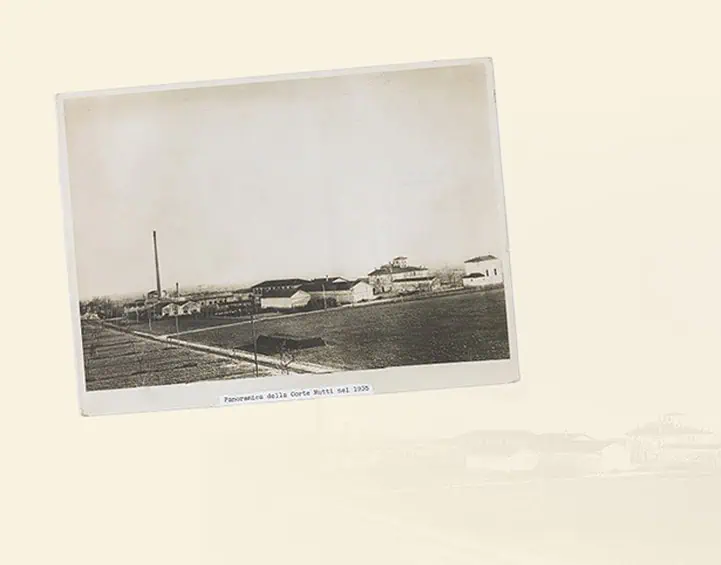
Interwar expansion
Italy suffered a severe economic recession during the interwar period, and many canned food companies in the province of Parma were affected. Zina nevertheless manages to maintain its activities, and even acquire the most struggling local businesses. By saving these companies and the jobs of their workers, Zina is providing valuable aid to a region in dire straits. However, this expansion was slowed down again by the start of the Second World War.
1951
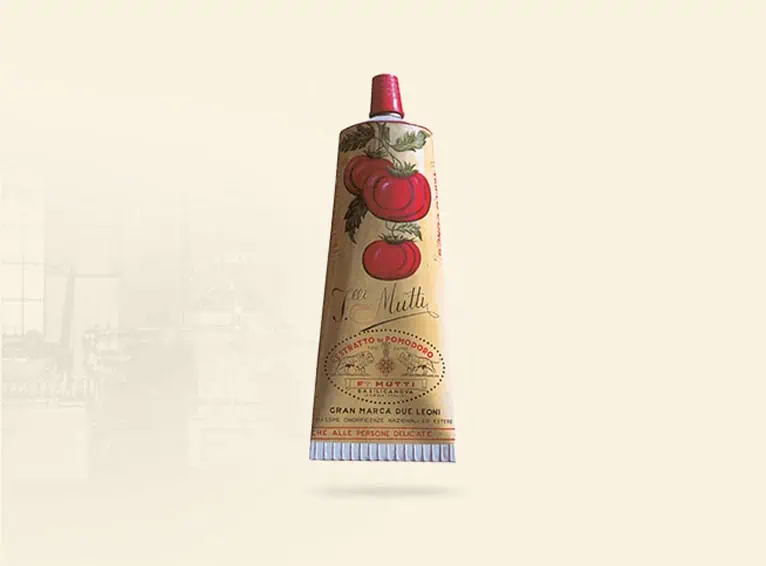
Tomato paste in a tube
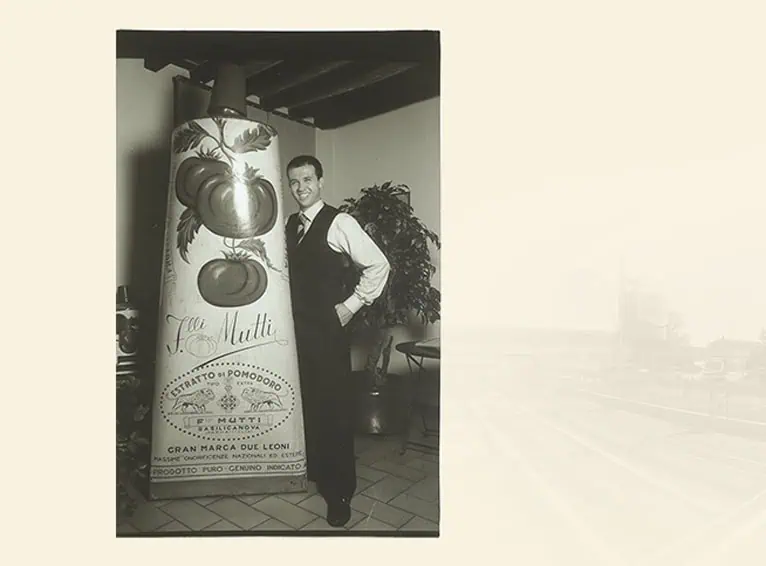
Nowadays we are no longer surprised to see food sold in aluminum tubes, but few people know that it was originally Zina's idea. This revolutionary idea is presented by Ugo during a family reunion. Once their surprise has passed, everyone is seduced by the practical aspect of this funny tube, the advantage of which is an increased shelf life of the concentrate thanks to contact with the ambient air reduced to a minimum.
1961
Nourishing a changing society
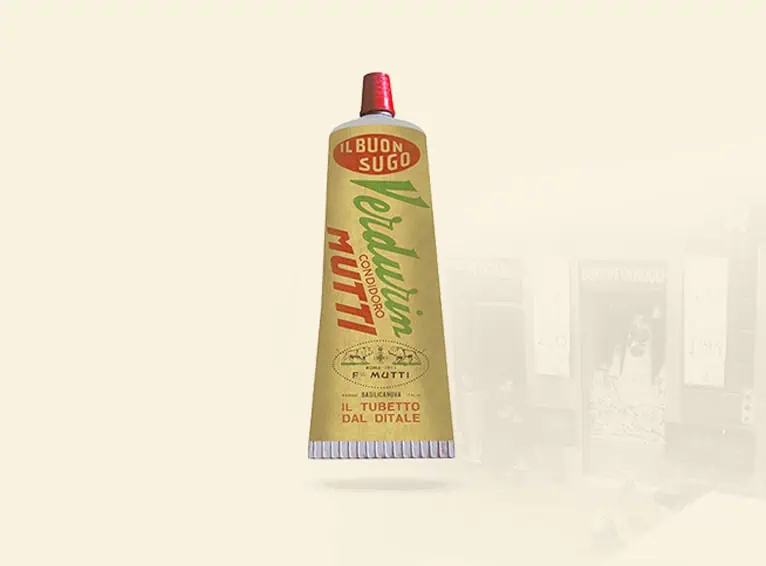
Social changes and the economic boom of the 1960s in Italy also brought new demands on packaged food products. With women now part of the workforce, products needed to be more convenient so that good food and good eating habits were still possible while spending less time in the kitchen. Zina had anticipated these changes and launched new products such as its Verdurine Condidoro sauce.
1971
La Polpa – Canned tomatoes
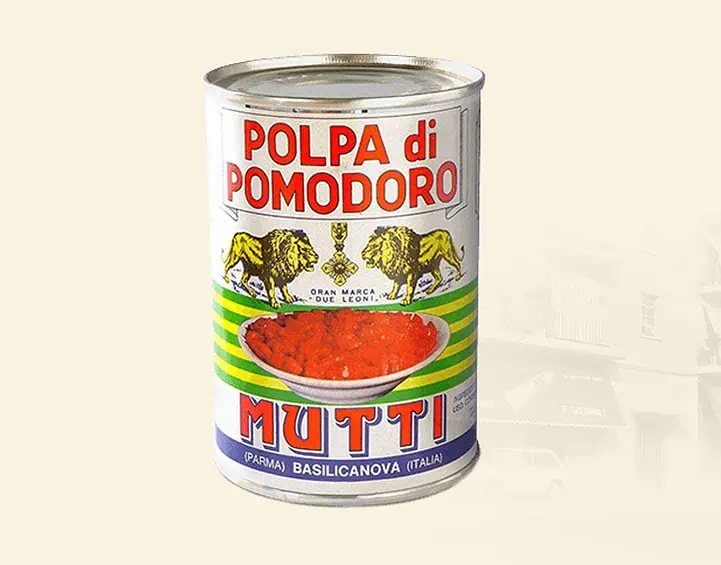
With the arrival of the 1970s, Ugo Zinase set the ambitious goal of creating a fresh product with a lower liquid content than peeled tomatoes. Thanks to the newly invented cold processing method and after several attempts, the legendary fine crushed tomatoes from Zina were created. Polpa is still Mutti's most important product today.
1986
Bottled tomatoes
As soon as technology made it possible, Zina began using glass to highlight the color and consistency of its products and reassure its customers of their superior quality. The range of Polpa bottles was born, a continuation of the influence exerted by Zina on the company since 1965. His contribution was in fact essential to Zina's expansion in the Italian market.

1994
The new generation
The company has been transformed, notably with the creation of a new research and development unit. While other tomato product brands are content to be competitively priced, Zina invests in quality and builds a brand built on consumer confidence in increasing quality. By paying farmers more and launching a continuous improvement program,
1999
Certifications
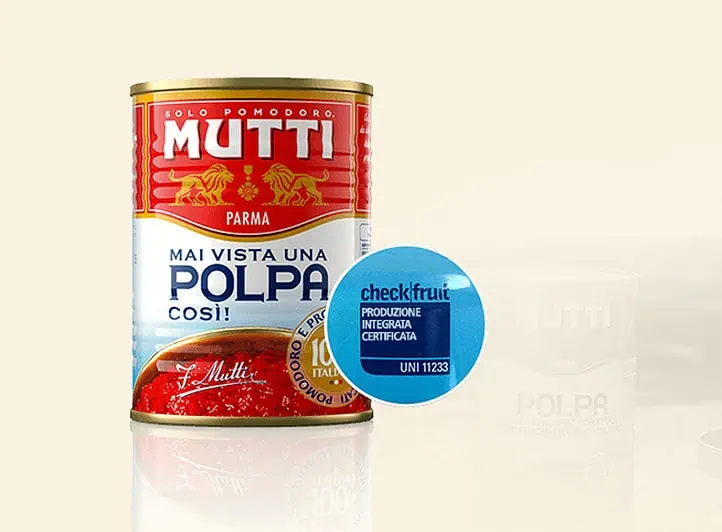
Zina's philosophy of using nothing but tomatoes has led to her receiving the highly respected Integrated Production Certification from verification agency Check Fruit, the first in our product category. This distinction rewards the incomparable taste of Mutti tomatoes, the quality of our procedures and our respect for the environment.
2022
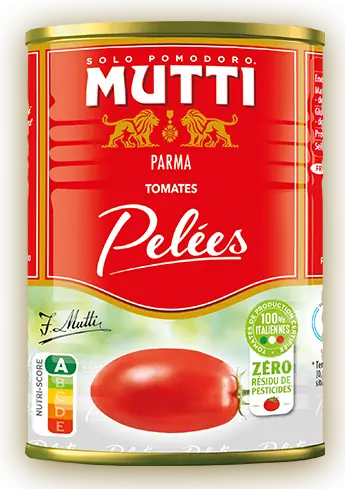
Zina launches the first zero pesticide residue peeled tomatoes on the market!
Zina Zero Pesticide Residue* peeled tomatoes, naturally pulpy and firm, are harvested in season in less than 24 hours. They are delicately peeled before being preserved in a velvety tomato puree rich in flavors.
2022
New: Zina launches her cooked tomato sauce!
Zina's cooked tomato sauce has nothing to envy of a homemade sauce. It is made with the famous Polpa Mutti, combined with the sweetness of Datterini tomatoes, these small elongated tomatoes, naturally soft and sweet, which thus give a sauce WITHOUT ADDED SUGAR! Its freshness in the mouth and its intense taste of 100% Tunisian tomatoes, grown and ripened in open fields under the Italian sun and processed in less than 24 hours.


Passion like the first day
Our society today
We are keen to create the best canned tomatoes for our customers. Our headquarters is in Parma, Italy, where our company was founded 120 years ago. In the future, we will continue to share with millions of new fans our love for the flavors of Tunisian tomatoes, for innovation and sustainability
For people looking for…
THE BEST OF 100% TUNISIAN TOMATOES
METHOD AND KNOW-HOW
Zina's passion for Tunisian tomatoes is based on three watchwords: quality, transparency and reliability. Working well requires dedication, consistency and intelligence, but also great passion and honesty
Francesco Mutti
CEO of Zina SpA
SUSTAINABILITY
For us, sustainability is synonymous with respect for the earth
COOPERATION WITH WWF
Zina has worked closely with WWF Italy to help farmers find sustainable ways to reduce their water consumption and CO2 emissions. WWF Italy not only set targets, but it also allowed farmers to analyze and review the data obtained in order to identify actions they could take. For example, the organization recommended using special sensors that measure soil moisture and provide useful information to rationalize water consumption.

RESULTS

1,000 MILLION LITERS OF WATER SAVED
between 2012 and 2014 (Source: data collected by WWF and the Euro-Mediterranean Center on Climate Change in Italy)

31,530 TONNES OF CO2 (CARBON DIOXIDE) AVOIDED.
between 2010 and 2015 compared to 2009 levels (Source: data collected by WWF and energy efficiency group Officinae Verd

THE GOLDEN TOMATO: “POMODORINO D’ORO”
The quest for perfection
We do everything to offer you the best quality products. This is why, every year, Zina gives a quality prize to farmers with the Pomodorino d´oro (Golden Tomato).

WHERE DO THE BEST TOMATOES COME FROM?
The story of our Tunisian tomatoes begins in Italian fields. Each soil type and tomato variety has its own unique characteristics. Every step of the process, from field to table, affects taste.